Pindah ke ekosistem Linux – Potato Codex
Di tempat kerja saya sebelumnya, kebanyakan menggunakan Microsoft Windows karena jenis software untuk teknik elektro hanya tersedia untuk Microsoft Windows, misalnya MATLAB (ya, ini tersedia dalam versi Mac dan Linux), Altium Designer (tentu saja, banyak program serupa untuk Mac dan Linux), tetapi beberapa perangkat lunak lama perlu dihubungkan ke perangkat keras (misalnya melalui CAN bus, komunikasi serial, atau Parallel Digital I/O sistem lainnya.
Kemarin, saya memutuskan untuk mengubah fokus program. Saya sedang berpikir untuk memindahkan lingkungan produksi ke Linux dan memulai dari awal. Laptop saya sehari-hari adalah ASUS Zenbook Duo (2022) dengan Intel i7-12700H, RAM 16GB, dan penyimpanan 1TB; dengan Windows 11, RAM saja tidak cukup (menurut saya).
Perjalanannya dimulai dengan meneliti distro Linux, yang merupakan tempat yang baik untuk memulai. Sebagai seorang pemula, tidak mudah untuk mengkonfigurasi Linux dari awal dan mulai belajar menjadi Junior Programmer, belum lagi alat-alat yang saya butuhkan, dll. Kemudian saya menemukan postingan ini, dan saya langsung berpikir, apa! Omakub mungkin adalah titik awal terbaik saya; isi,
Ubah instalasi Ubuntu baru menjadi sistem pengembangan web yang lengkap, indah, dan modern dengan menjalankan satu perintah.
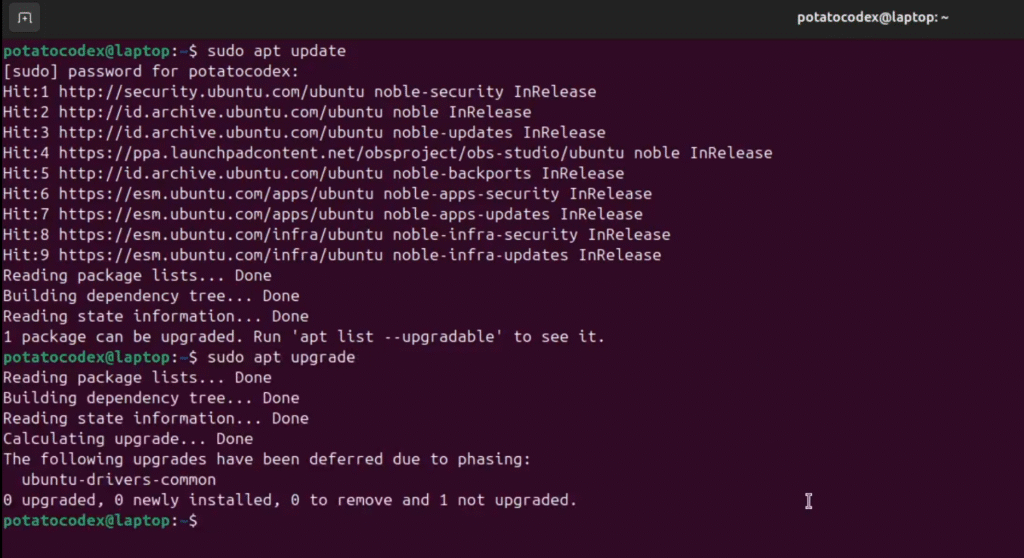
Singkat cerita, saya menginstal ulang komputer saya menggunakan Ubuntu Desktop 24.04.2 LTS. Setelah mengikuti panduan ini, saya berhasil menginstal Ubuntu dan mencetak,
$ sudoapt-dapatkan baru
$ sudo ekstensi apt-get
Kemudian saya menyalin dokumen tersebut dari internet,
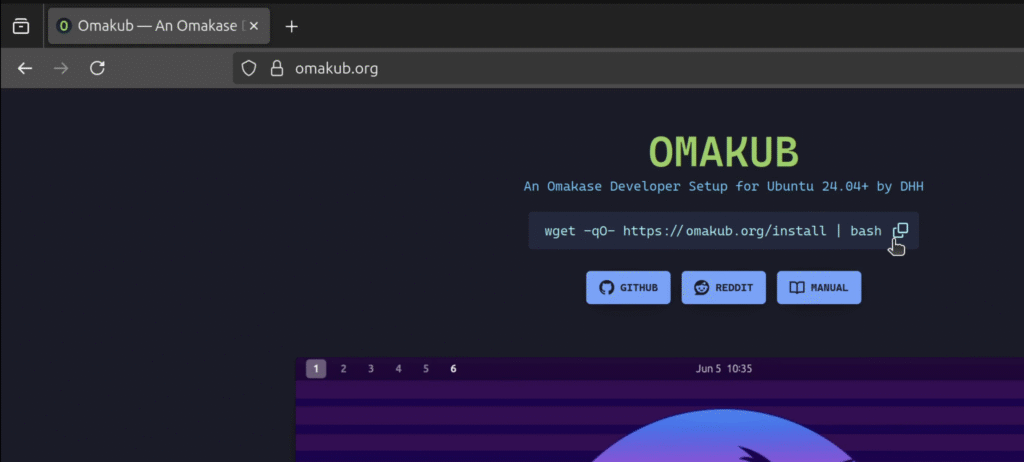
Menghubungkan ke terminal,
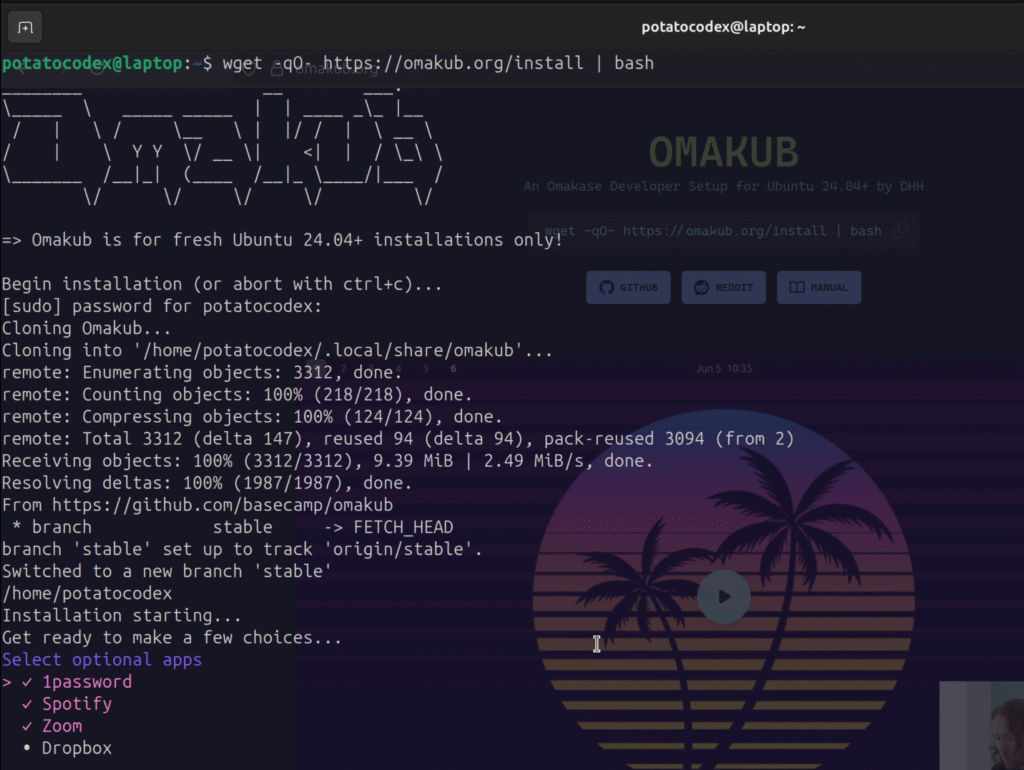
Baiklah, mari kita mulai!
Saya bersemangat untuk memulai hari ini dengan OS baru.
19 April 2025
Kodeks kentang
PakarPBN
A Private Blog Network (PBN) is a collection of websites that are controlled by a single individual or organization and used primarily to build backlinks to a “money site” in order to influence its ranking in search engines such as Google. The core idea behind a PBN is based on the importance of backlinks in Google’s ranking algorithm. Since Google views backlinks as signals of authority and trust, some website owners attempt to artificially create these signals through a controlled network of sites.
In a typical PBN setup, the owner acquires expired or aged domains that already have existing authority, backlinks, and history. These domains are rebuilt with new content and hosted separately, often using different IP addresses, hosting providers, themes, and ownership details to make them appear unrelated. Within the content published on these sites, links are strategically placed that point to the main website the owner wants to rank higher. By doing this, the owner attempts to pass link equity (also known as “link juice”) from the PBN sites to the target website.
The purpose of a PBN is to give the impression that the target website is naturally earning links from multiple independent sources. If done effectively, this can temporarily improve keyword rankings, increase organic visibility, and drive more traffic from search results.

